

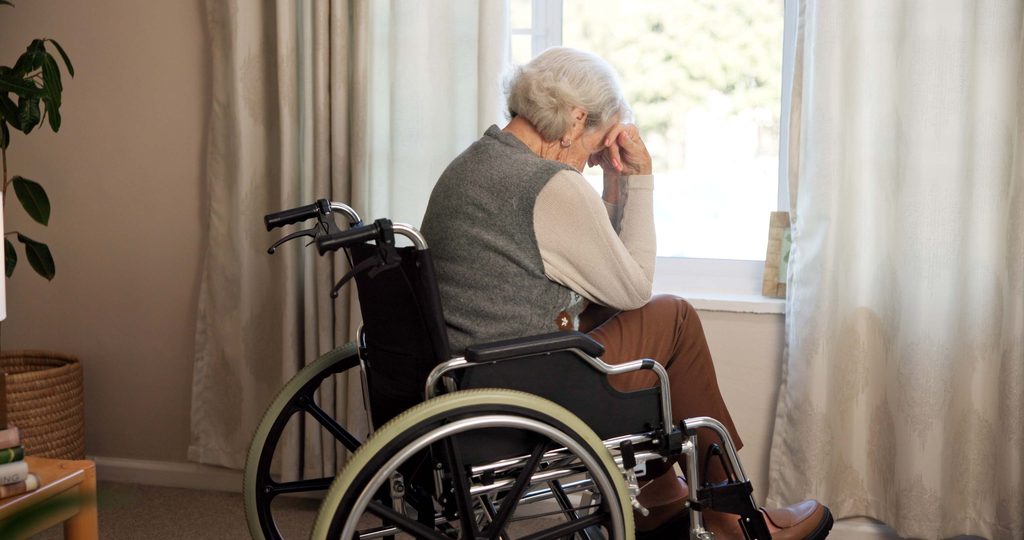
Before confronting staff or moving your loved one, take time to document what you’re seeing. Good records protect your parent, speed up an investigation, and give a nursing home abuse lawyer what they need to evaluate your case properly.
When families suspect neglect, their first instinct is often to confront staff or move their parent right away. But evidence can disappear quickly once a facility realizes a family is concerned. Careful documentation—paired with insight from a nursing home expert witness when the time comes—gives your case the strongest possible foundation.
Here’s exactly what to document.
Why Documentation Matters in a Neglect Case
Neglect is rarely proven by a single incident. You have to prove it through patterns over time. Facility records are written by the facility itself, so your own notes and photos provide an independent account that a nursing home expert witness can later review and corroborate.
- Injuries like bed sores and bruises heal or change, so photos capture what records may not
- Memories fade, while dated notes hold up
- Early documentation helps your attorney spot issues before deadlines become a concern
Start a Neglect Log
Keep one notebook or digital document dedicated to this purpose. At every visit, record the following:
- The date, time, and length of your visit
- Your parent’s hygiene, mood, weight changes, and any injuries
- The condition of the room, including bedding, odors, uneaten food, and call button placement
- The names and roles of staff you spoke with
Consistent, dated entries build the pattern a nursing home expert witness needs to support your claim.
Photograph and Video the Right Things
Photograph injuries (bruises, skin tears, bed sores) with your parent’s consent and dignity in mind. Also photograph the environment: soiled linens, spills, unsafe conditions, and unanswered call lights.
Turn on timestamps, keep original files, and photograph the same injury over several visits to show progression. Check with a nursing home abuse lawyer before recording staff conversations, as laws vary.
Request Your Parent’s Records
Request medical records, care plans, medication logs, and incident reports in writing, and confirm you have legal authority to request them.
Gather Supporting Evidence Outside the Facility
You’ll also need anything possible from outside the facility and a nursing home expert witness. This can include:
- Records from hospital or ER visits after an injury
- Notes from your parent’s outside doctors
- Statements from other family members or visitors who noticed changes
- Federal inspection reports and complaint history for the facility
Report Your Concerns (and Document That You Did)
Call 911 if your parent is in immediate danger. File a report with Adult Protective Services online or by phone, and contact the Long-Term Care Ombudsman for advocacy support. Save confirmation numbers, dates, and written responses, because a nursing home abuse lawyer will want this trail.
Mistakes to Avoid
Small missteps can weaken a strong case.
Signing Releases or Arbitration Agreements
Signing documents from the facility without legal advice can waive important rights. Always consult counsel first.
Deleting Communications
Texts, voicemails, and emails from staff are evidence. Preserve them, even uncomfortable ones.
Relying on Verbal Promises
Promises of improvement aren’t documentation. Keep logging until conditions actually change.
Posting on Social Media
Public posts can complicate a case. Keep concerns private and documented instead.
Waiting Too Long
Claims in Utah generally must be filed within two years of discovering the injury, and no later than four years after the neglect occurred.
What to Bring to Your First Attorney Consultation
If you want to be prepared for your consultation, bring the following:
- Your neglect log
- Photos and videos
- Any records you’ve received, plus copies of your requests
- Copies of reports to APS or the ombudsman
- The facility’s admission agreement and any documents you signed
Frequently Asked Questions
Can I take photos inside a nursing home?
You can generally photograph your parent’s injuries and room with their consent, though facility policies vary. Ask a nursing home abuse lawyer before recording staff.
What if the nursing home refuses to give me records?
Put your request in writing, note the date, and let your attorney know. Federal rules set deadlines for providing access and copies.
Should I move my parent before documenting?
If they’re in immediate danger, move them first. Otherwise, document what you can before making the move.
Do I need proof before I call a lawyer?
No. Documentation helps, but an attorney can obtain records and investigate even with incomplete evidence.
How much does a consultation cost?
Consultations are free, and the firm works on a no-fee-unless-you-win basis.
Ready to Find a Lawyer?
Suspecting neglect in your parent’s care is a painful experience, and you shouldn’t have to face it without support. At G. Eric Nielson & Associates, our team works alongside a trusted nursing home expert witness to build the strongest possible case on your family’s behalf.
Reach out today for a free consultation with a nursing home abuse lawyer who will listen, guide you, and fight for the justice your loved one deserves.